Imbolc — the time before movement
Imbolc lies between the winter solstice and the spring equinox.
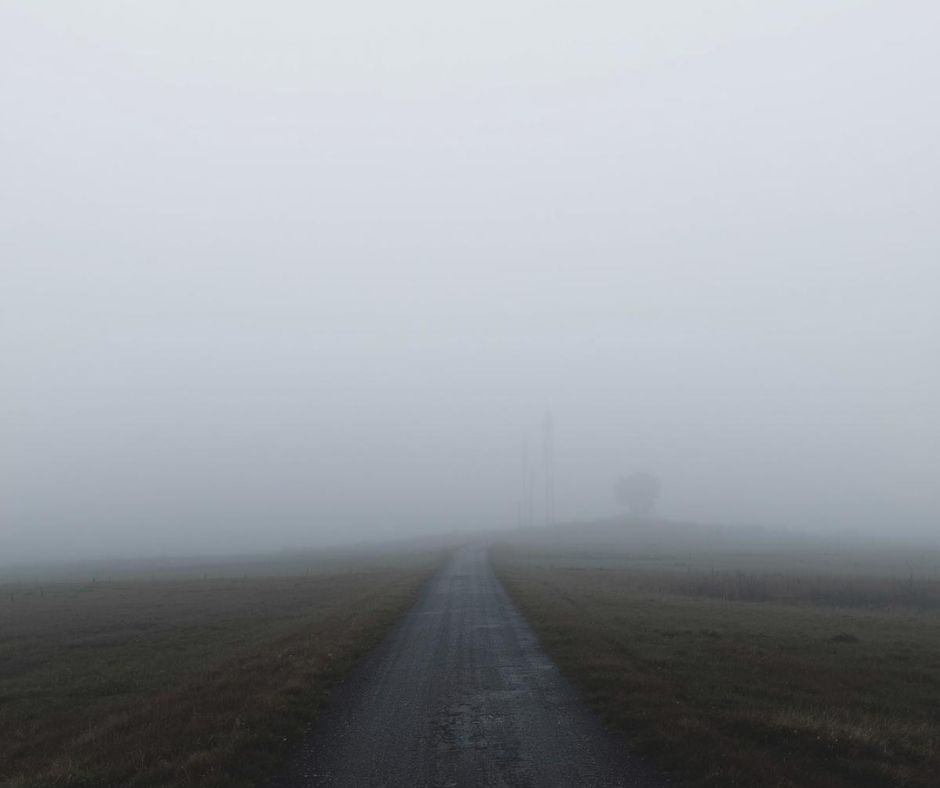
It is not yet spring, nor is it the true beginning of deep winter.
It is a time when nothing seems to be happening outwardly, yet inwardly a breaking has already taken place.
This is a time when there is still space to turn inward.
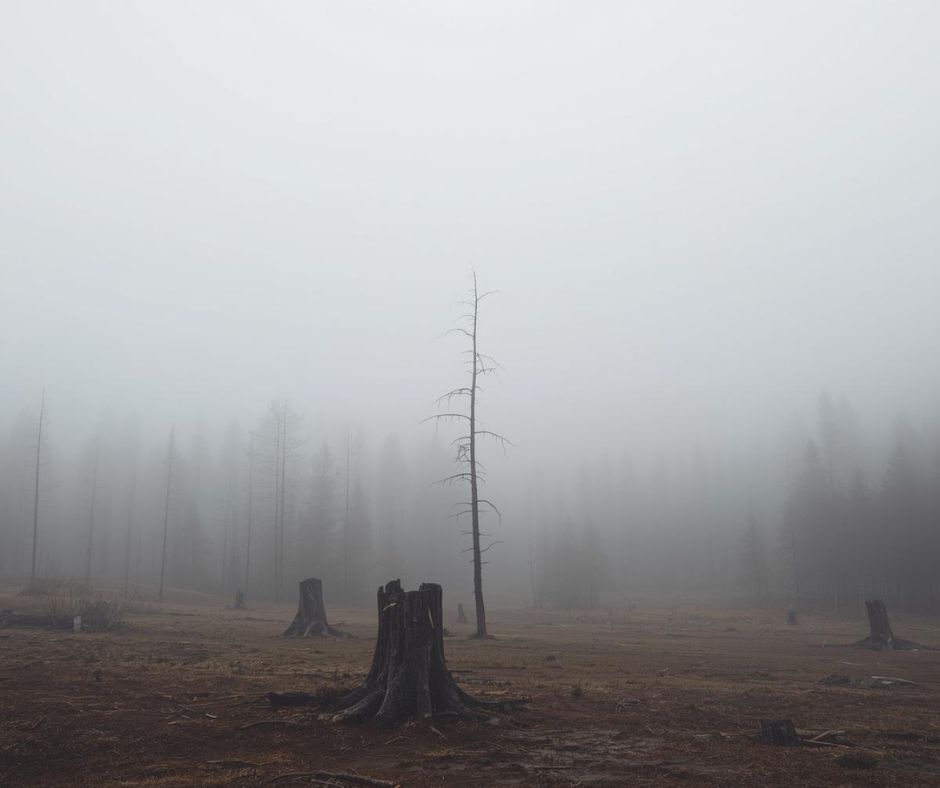
Outside, the ground is frozen, movement has paused, the rhythm is slow. Everything appears to stand still.
And yet — it is precisely within this stillness that the backbone of winter begins, little by little, to break.
In the northern lands, the first very subtle changes can be noticed in early February.
A blade of grass pushes the snow aside. The sun travels a little higher in the sky. Garden birds grow more restless, more attuned. Nature begins to attune itself to the coming of spring.
The air does not yet carry spring — but life has begun to remember itself.
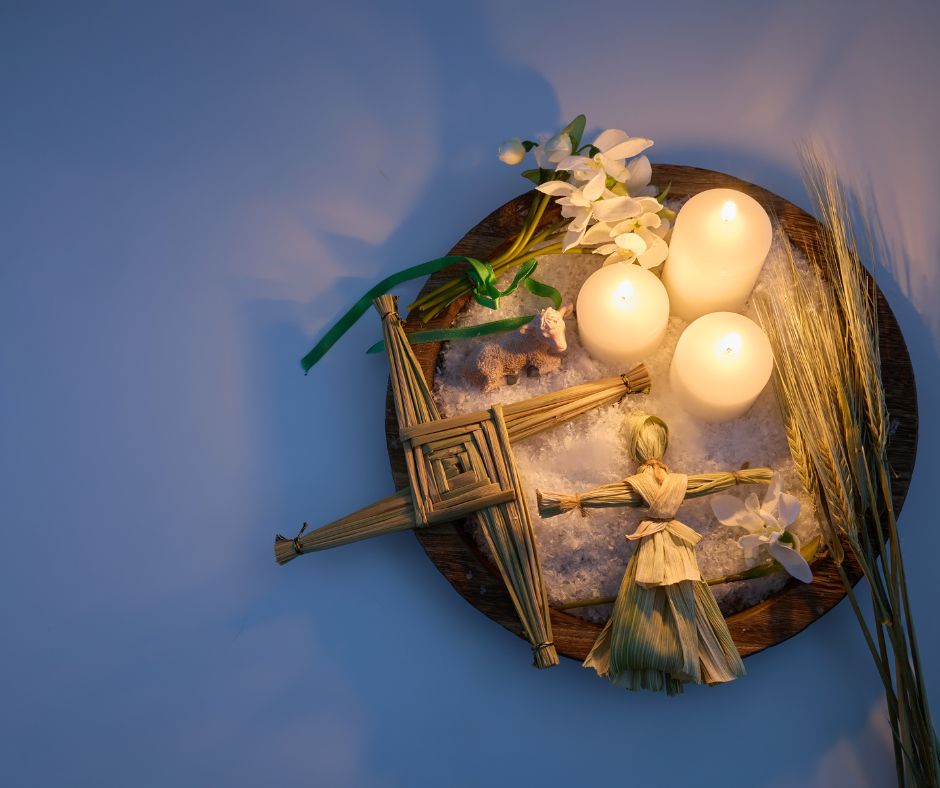
Imbolc is connected to the Celtic goddess Brigid — the keeper of fire, home, healing, and creative power.
Her fire is not a flame that burns or demands. It is a fire that holds, until the time is ripe.
It is a warmth that allows life to remain, without yet needing to become visible.
In the language of the runes, this time speaks through several layers at once.
Algiz governs the time of Imbolc — the rune of protection and sensitivity. Not a shield, but a boundary. It ensures that new life is not scattered before its time.
Isa stands in the background as deep winter — a stillness that is no longer absolute. The ice is still present, but it is no longer eternal.
And Ingwaz carries the ongoing potential of the seed: everything needed is already present, but it is not yet time to move. The seed does not rush. It knows that time is working in its favor.
Imbolc does not ask for actions or decisions.
It asks whether you can remain in this in-between state — without forcing, without haste.
What signs do you notice in nature?