The world is no longer young or light. It has learned to endure, to wait, and to repeat. Now it reaches a point where wisdom alone is no longer enough. It must become decisive. It must defend.
This is where meaning takes shape.
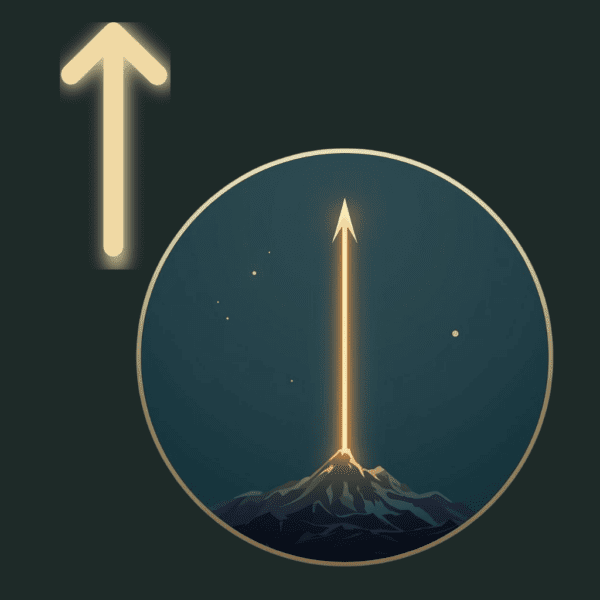
Thus Tiwaz rises. Straight and clear, like a spear that knows its aim. Tiwaz carries the warrior’s ethic — not for conquest, but to protect the order that has been painfully formed. This is the Iron Age, when one must learn to stand firm rather than retreat. The world grows strong, and also harsh.
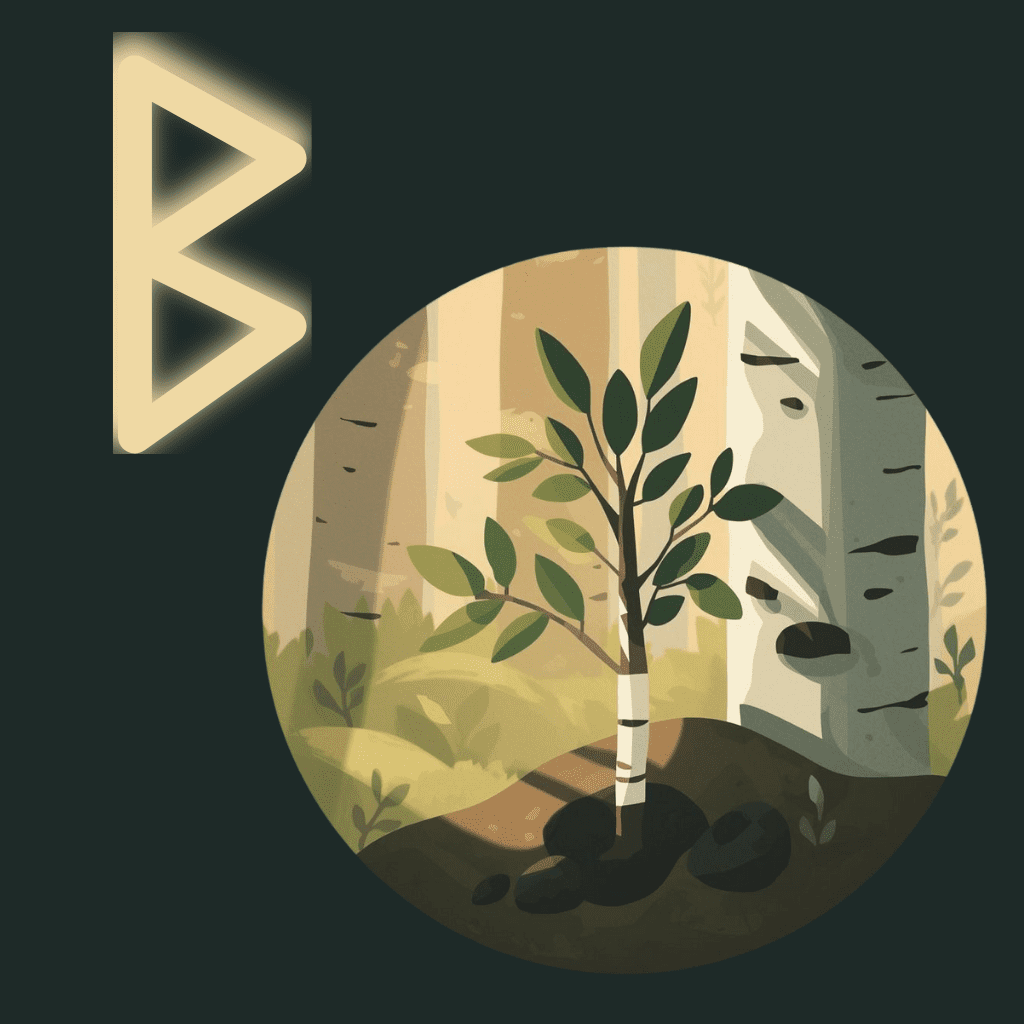
Alongside this strength appears Berkana. Soft yet persistent, she teaches care, growth, and nourishment. People learn to cultivate the land, to plant seeds and wait. A material world emerges, bound to field, home, and body. It is a warm time — but also a binding one.
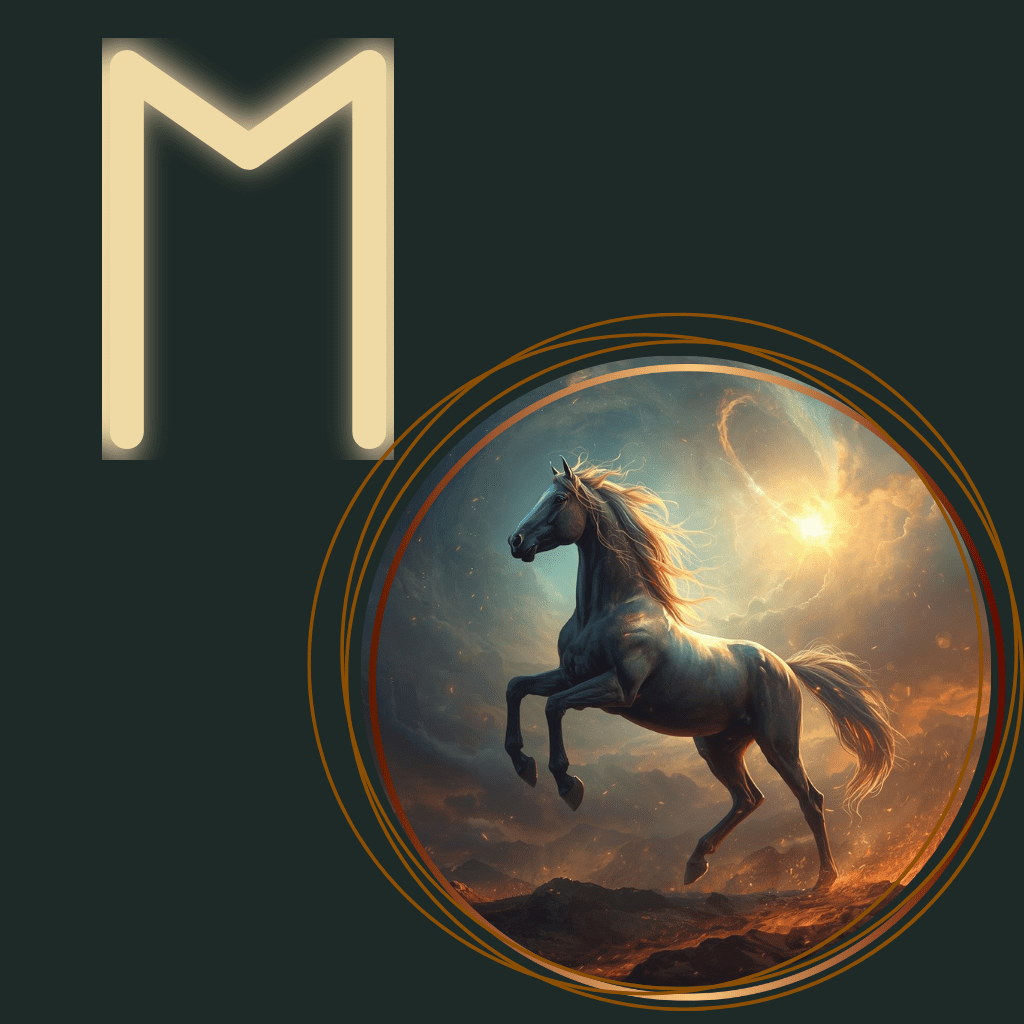
When the land is cultivated, Ehwaz appears. Animals become companions. Horses carry riders across distances, beasts of burden move goods, and the world begins to travel. Migration, trade, and roads arise. People learn to move together, no longer alone. The world becomes wider, but also more restless.
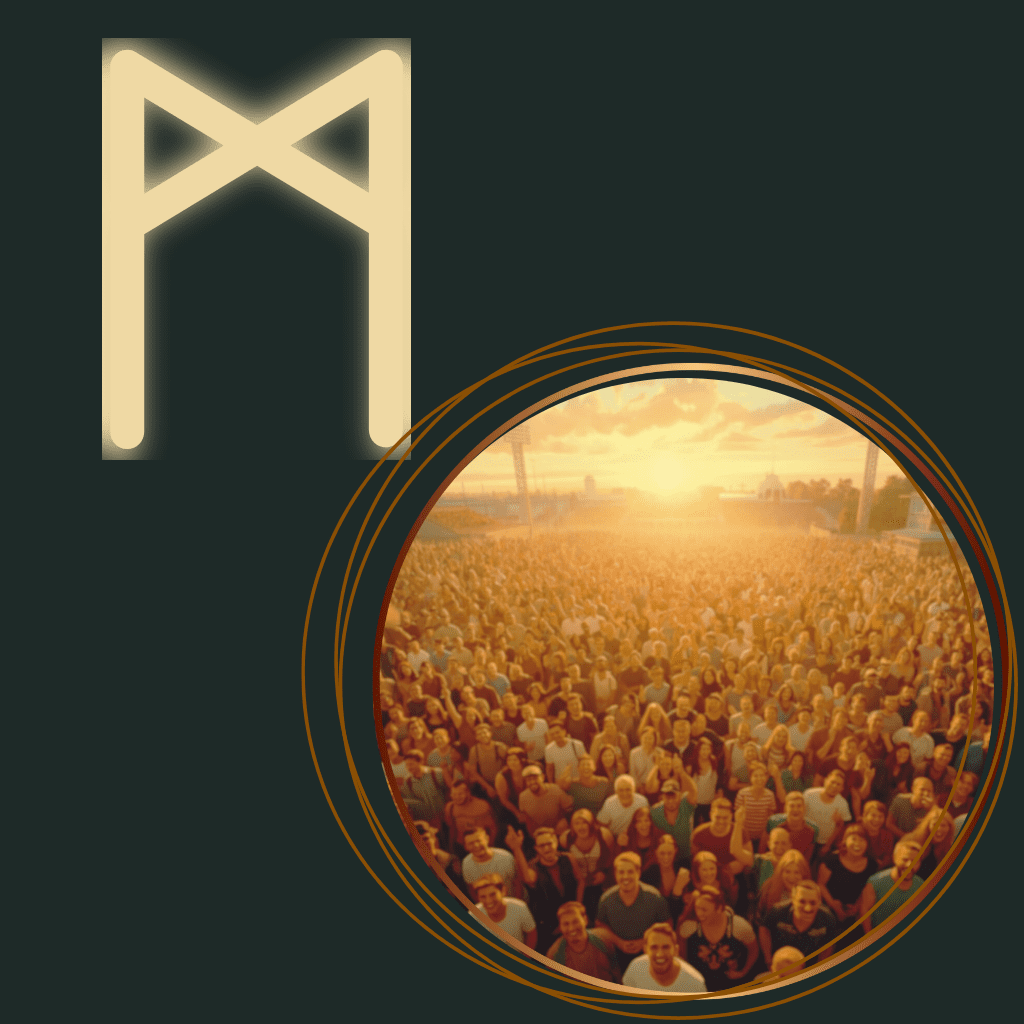
Then Mannaz steps forward. Humanity learns to understand itself. Laws, agreements, and societies take form. Mind and logic become dominant. With them rises patriarchy. What was once intuitive and flowing recedes into shadow.
That which recedes does not disappear. It turns inward.
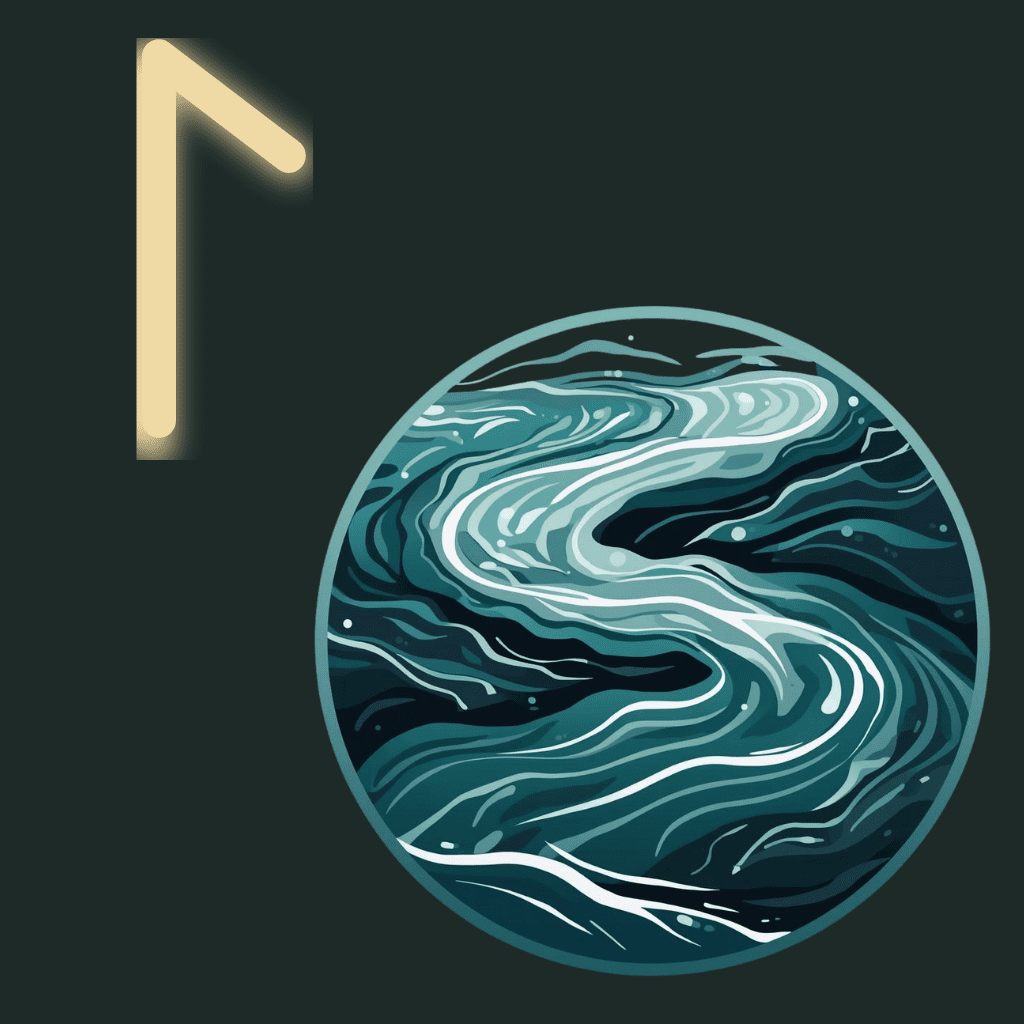
This is Laguz. Feminine, magical, emotional awareness withdraws into dreams, water, and the subconscious. There, depth grows — beyond laws and words.
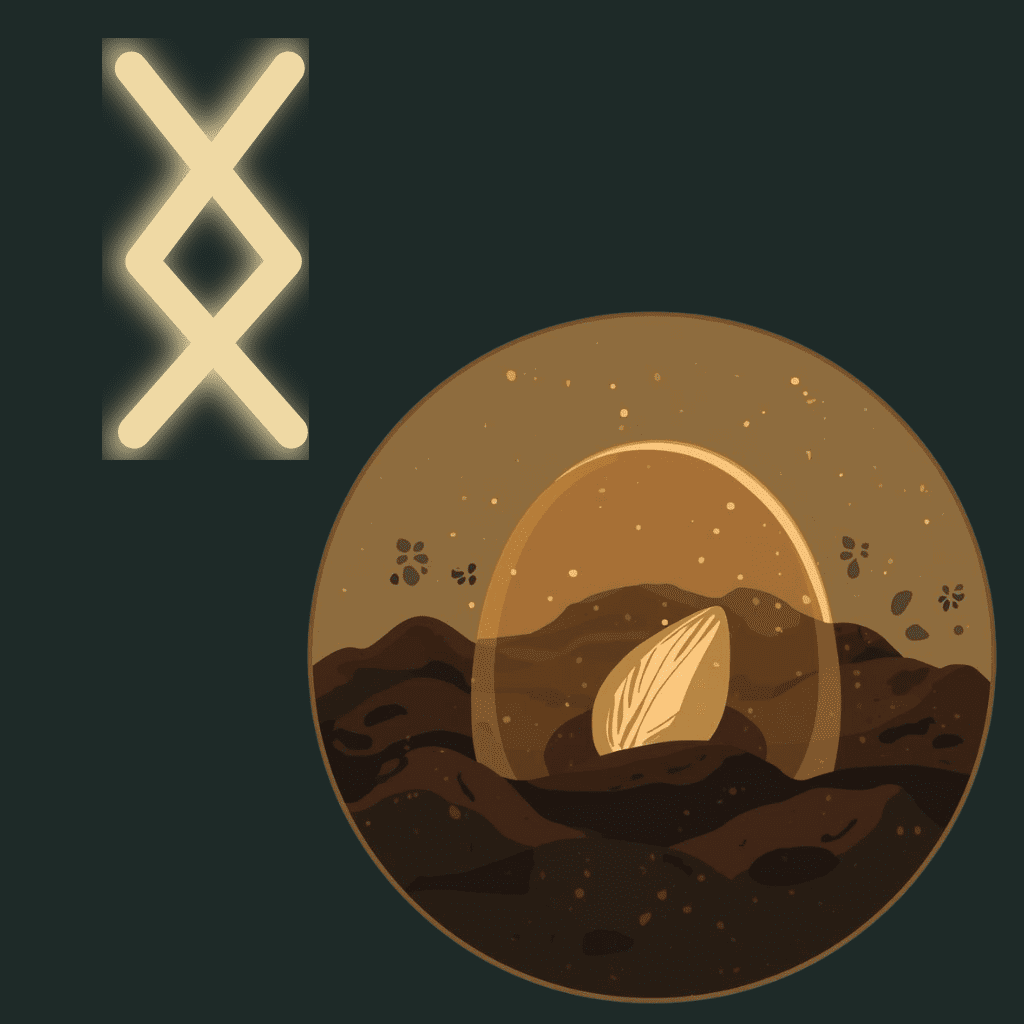
The next transformation comes when humans sense the divine within themselves and create gods in their own image. Inguz appears. The seed is full. Everything that needed to develop has developed. The world reaches its peak — but a full seed cannot remain closed. Pressure builds. Something must be released.
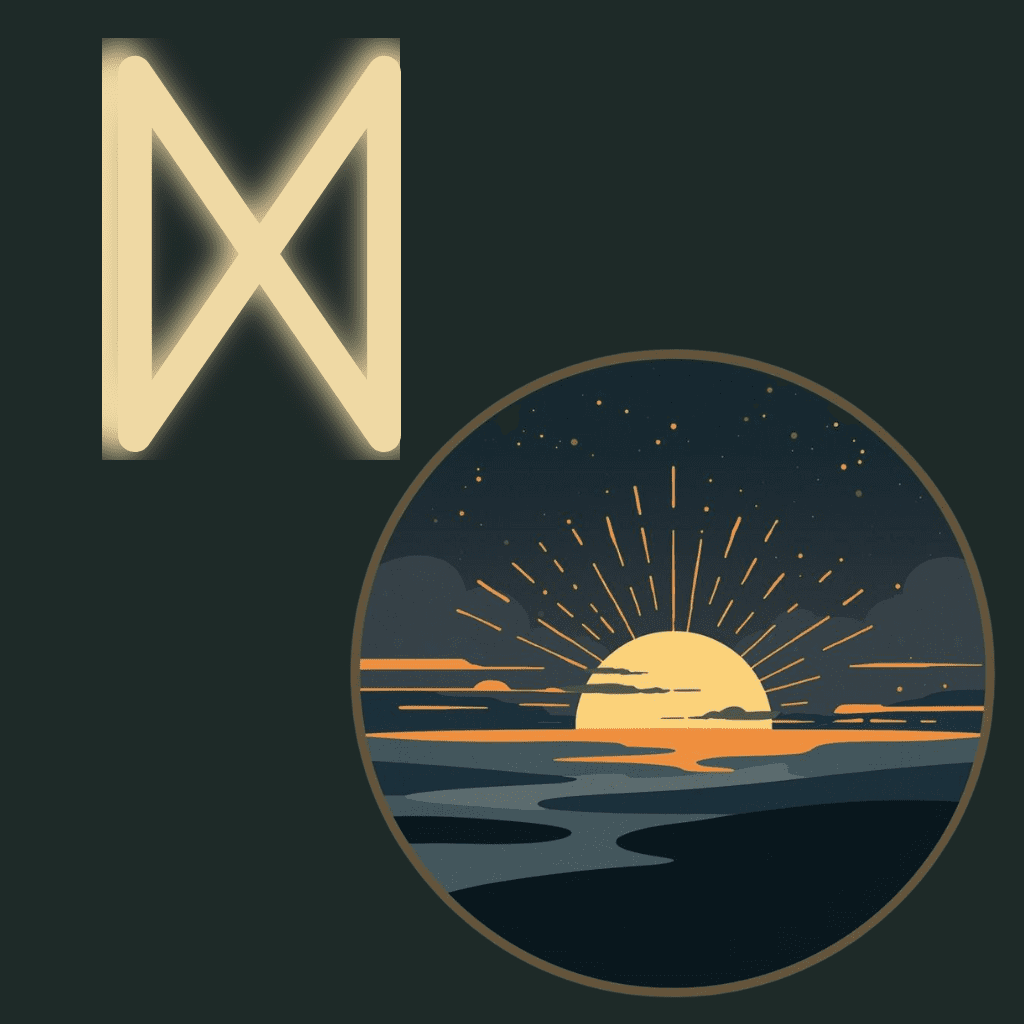
Then Dagaz arrives.
Day turns into night, and night into day — not gently, but abruptly. What once felt stable becomes uncertain. The old order collapses, and the new has not yet arrived. The world fills with opposition, fear, and terror. Light and darkness change places. No one knows where to stand.
This is the time called Ragnarök.
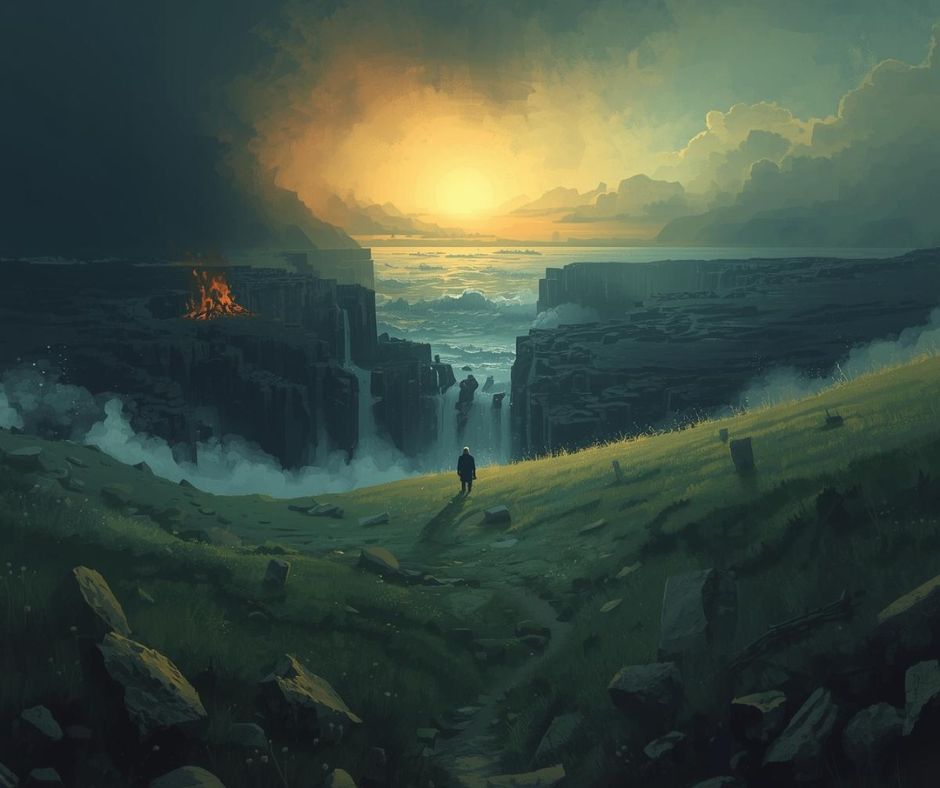
Fire and water cleanse the land. Mountains crumble, seas rise, and old structures fall. This is not punishment, but purification. Everything that no longer carries life must disappear. The world breathes one last time in its old form.
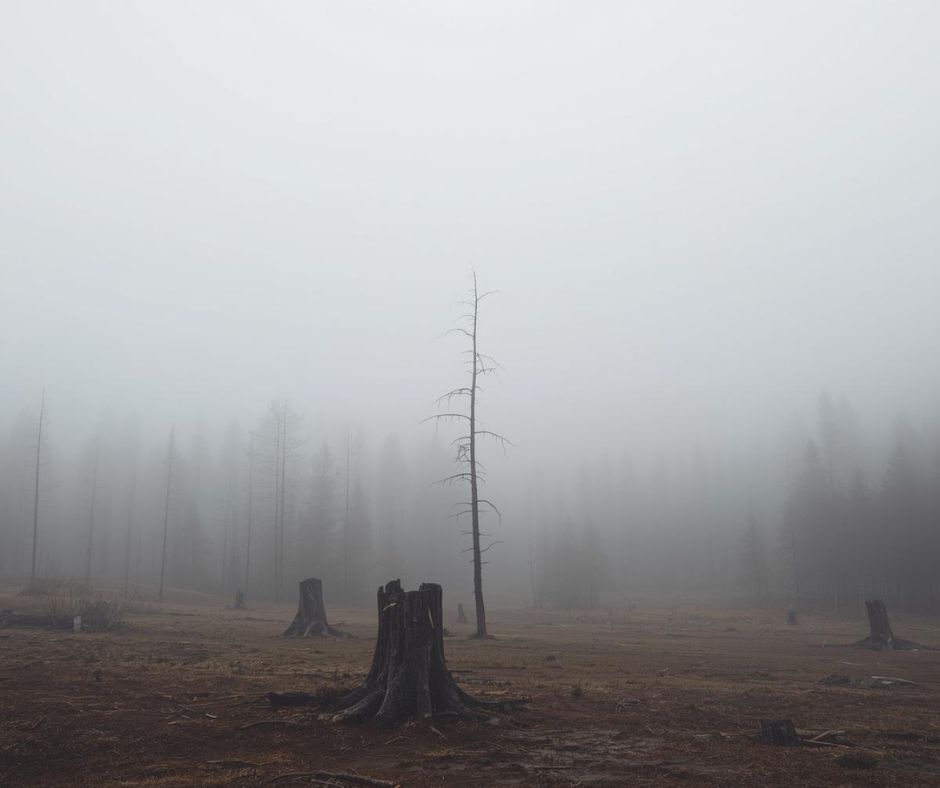
When silence finally comes, not everything is lost.
From shadows and hiding places emerge those who remain. Líf and Lífþrasir do not rebuild the world from nothing. They inherit their ancestors’ renewed land.
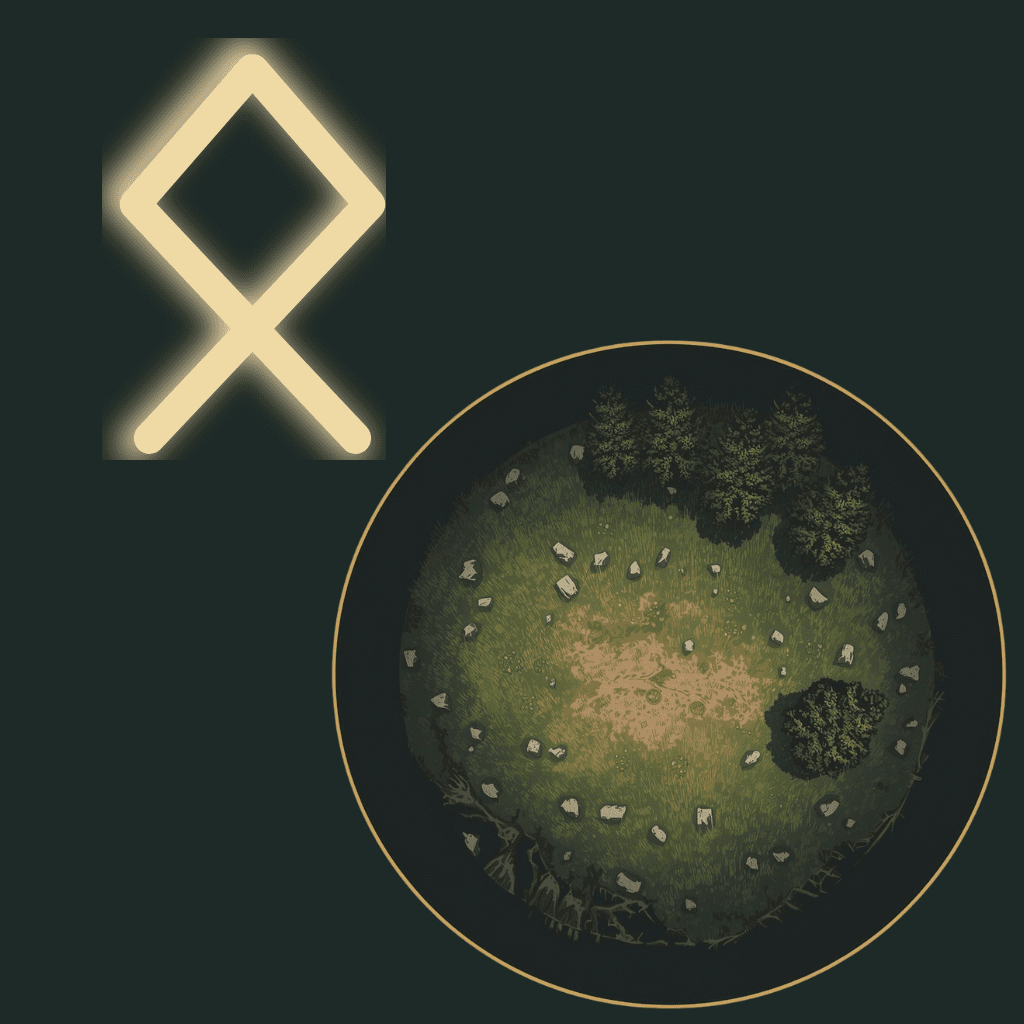
This is Othala — inheritance, home, and ancestral ground. Not as possession, but as responsibility. Something that cannot be sold or given away, only held and cared for.
The Third Ætt speaks of a time when the world must die in order to remember who it is. It tells how after the end, not emptiness is born, but a new beginning — quiet, deep, and conscious.
Dagaz is not merely a moment of light. It is the solstice — the point where one cycle is fully lived before the next can begin.
For this reason, Dagaz is often considered the final rune of the Futhark. Not because Othala disappears, but because inheritance must be completed before it can become a new beginning.
Dagaz and Fehu both belong to the element of fire, yet they carry two faces of flame. Fehu is creative fire — the spark that ignites, nourishes, and sets life in motion. Dagaz is concluding fire — the flame that burns through the old form so that space may be cleared. Not for destruction, but for transformation.
Thus the cycle closes with Othala → Dagaz. And at the very end of the cycle, in the moment of transformation, Dagaz dissolves back into Fehu. The end does not vanish — it becomes the beginning.
The Futhark is not a straight line, but a circle. An eternal movement in which creation and dissolution breathe in the same rhythm.
And so the story is born again. Every time the fire is lit. Every time it is told.
If you feel called to walk deeper with the runes, you are welcome to join my newsletter.
As a first step, you can receive the Rune Compass — a simple guide to the Elder Futhark and its three aettir, created to help you orient yourself on your rune path.